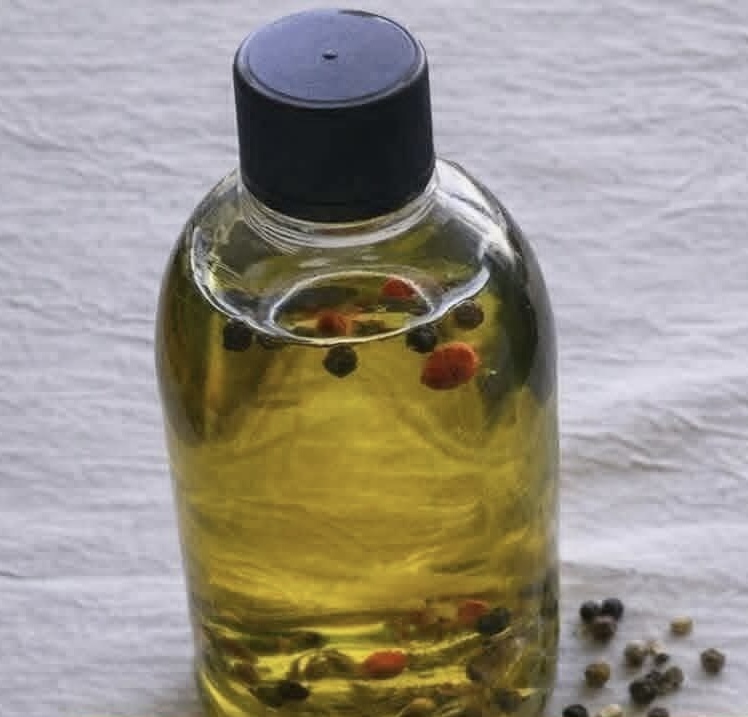
Natural remedies have been used for centuries to support overall wellness, and herbal-infused oils remain popular in many traditional practices. Social media often promotes these oils with bold claims, suggesting they can eliminate uric acid, cure arthritis, reduce anxiety, or even stop cravings for cigarettes and alcohol. While some herbs may contain beneficial plant compounds, it is important to separate traditional uses from scientifically supported evidence.
This article explores herbal-infused oil, its possible benefits, how it is commonly prepared, and what current research says about its health effects.
What Is Herbal-Infused Oil?
Herbal-infused oil is made by soaking herbs, spices, or medicinal plants in a carrier oil such as olive oil, sunflower oil, or sesame oil. During the infusion process, the oil absorbs some of the plant’s natural compounds, aroma, and flavor.
Depending on the herbs used, infused oils are commonly applied to the skin, used for massage, or occasionally added to foods in small amounts if prepared safely.
Common Ingredients Used
Many homemade herbal oils include ingredients such as:
- Black pepper
- Chili peppers
- Garlic
- Rosemary
- Ginger
- Bay leaves
- Cloves
- Thyme
Each ingredient contributes different natural compounds, antioxidants, and aromatic substances that may provide specific benefits.
Potential Health Benefits
Rich in Natural Antioxidants
Many herbs and spices contain antioxidants that help protect cells from oxidative stress. Olive oil itself is also a valuable source of healthy fats and polyphenols, making it an excellent base for herbal infusions.
A diet rich in antioxidants may support overall health and healthy aging.
May Support Healthy Circulation
Some herbs, particularly black pepper and ginger, have traditionally been used to promote healthy blood circulation.
Although these ingredients may encourage temporary warmth and improved surface circulation when used topically, more research is needed to confirm significant medical benefits.
May Help Relax Muscles
Massage oils infused with warming herbs are commonly used to relieve muscle tension after physical activity.
The relaxing massage itself often contributes significantly to the feeling of relief.
May Support Skin Hydration
Carrier oils such as olive oil naturally moisturize the skin by helping reduce moisture loss.
Certain herbs may also contain plant compounds that soothe dry or irritated skin when properly diluted.
Can Herbal Oil Remove Uric Acid?
One of the most common claims online is that herbal oil can eliminate uric acid from the blood.
Currently, there is no reliable scientific evidence showing that applying or consuming herbal-infused oil removes excess uric acid or treats gout.
Managing elevated uric acid typically involves:
- Drinking enough water
- Maintaining a healthy weight
- Limiting foods high in purines
- Following medical advice when necessary
Herbal oils should never replace prescribed treatment.
Can It Treat Arthritis or Rheumatism?
Some herbal oils may provide temporary comfort through massage and warming sensations.
Massage can help:
- Reduce muscle stiffness
- Improve flexibility
- Increase relaxation
- Ease minor discomfort
However, herbal-infused oils are not a cure for arthritis, rheumatoid arthritis, or other inflammatory joint diseases.
Anyone experiencing persistent joint pain should consult a healthcare professional for proper evaluation.
Does It Reduce Anxiety?
Pleasant aromas and massage may help create a calming environment that encourages relaxation.
Essential oils used in aromatherapy have been studied for their potential to reduce stress in some people, but herbal-infused cooking oils are different from concentrated essential oils.
While relaxation rituals may improve mood, herbal oils should not be considered a treatment for anxiety disorders.
Can It Stop Cigarette or Alcohol Cravings?
There is currently no strong scientific evidence that herbal-infused oil can eliminate cravings for nicotine or alcohol.
Quitting smoking or reducing alcohol dependence usually requires a combination of:
- Behavioral support
- Healthy lifestyle changes
- Professional counseling
- Evidence-based treatments when appropriate
Natural products may complement healthy habits but should not replace proven methods.
How to Prepare a Simple Herbal-Infused Oil
A basic herbal infusion can be prepared using:
Ingredients
- 1 cup extra virgin olive oil
- 1 teaspoon whole black peppercorns
- 2 garlic cloves
- A small sprig of rosemary
- Optional: a slice of fresh ginger
Directions
- Wash and thoroughly dry all fresh herbs.
- Place the ingredients into a clean, dry glass jar.
- Pour olive oil over the herbs until completely covered.
- Seal the jar tightly.
- Store in a cool, dark place for one to two weeks.
- Strain the oil before use.
Always refrigerate homemade infused oils that contain fresh garlic or herbs and use them promptly to reduce food safety risks.
Safety Considerations
Although herbal-infused oils are generally safe when prepared properly, keep these precautions in mind:
- Do not use spoiled or moldy herbs.
- Perform a patch test before applying to sensitive skin.
- Avoid applying spicy herbal oils near the eyes.
- Pregnant or breastfeeding individuals should consult a healthcare provider before using medicinal herbs.
- People with allergies should carefully check all ingredients.
The Bottom Line
Herbal-infused oils are a traditional wellness product that may provide antioxidants, skin hydration, pleasant aromas, and a relaxing massage experience. However, claims that these oils eliminate uric acid, cure arthritis, treat anxiety, or stop cigarette and alcohol cravings are not supported by strong scientific evidence.
The best approach is to enjoy herbal-infused oils as part of a balanced, healthy lifestyle while relying on evidence-based medical care for chronic health conditions.