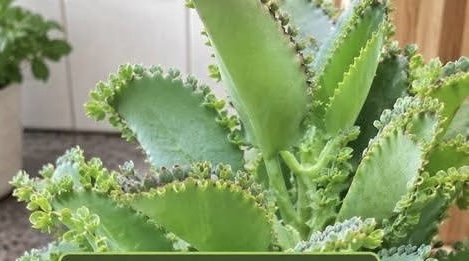
Kalanchoe plants are eye-catching succulents known for their thick green leaves and small plantlets that can grow along the edges of the leaves. They are sometimes featured in traditional herbal practices and are also widely grown as ornamental houseplants. In recent years, social media posts have promoted Kalanchoe leaves as a natural remedy that can “destroy cancer” or replace medical treatment.
Those claims should be approached with caution. There is currently no reliable evidence that eating Kalanchoe leaves can cure or destroy cancer in humans, and these plants should not be used as a substitute for professional cancer diagnosis or treatment.
That does not make Kalanchoe an uninteresting plant. It contains naturally occurring compounds that have attracted scientific interest, but laboratory findings are very different from proving that a plant is an effective cancer treatment for people.
What Is Kalanchoe?
Kalanchoe is a group of succulent plants belonging to the Crassulaceae family. Several species are known for producing tiny new plantlets along the edges of their leaves. This unusual appearance makes them popular ornamental plants.
Some Kalanchoe species have a history of traditional use in different parts of the world. Leaves and other plant parts have been used traditionally in various preparations, depending on the species and region.
However, traditional use does not automatically establish that a plant is safe or medically effective. The exact species, preparation, amount consumed, and individual health circumstances can all matter.
Can Kalanchoe Cure Cancer?
There is an important difference between investigating plant compounds in a laboratory and demonstrating that a plant cures cancer in humans.
Researchers have studied certain compounds found in Kalanchoe species, including bufadienolide-type compounds. Some laboratory and preclinical research has explored their biological effects. These findings may be interesting for future research, but they do not establish that eating Kalanchoe leaves treats cancer.
Cancer is not a single disease. It includes many different diseases with different causes, biological characteristics, stages, and treatments. Effective treatment may involve surgery, radiation therapy, chemotherapy, targeted therapy, immunotherapy, hormone therapy, or combinations of these approaches.
For that reason, a social-media recipe claiming to eliminate cancer should never replace advice from a qualified healthcare professional.
Why “Natural” Does Not Always Mean Safe
A common misconception is that a natural plant must automatically be harmless. In reality, plants can contain powerful biologically active substances.
Certain Kalanchoe species contain compounds that may be harmful when consumed, particularly in inappropriate amounts. Some Kalanchoe plants are also associated with cardiac toxicity because of compounds that can affect the heart.
Another concern is that identifying a plant from a photograph is not always enough to determine its exact species. Different species can have different chemical compositions and safety profiles.
This is one reason homemade herbal preparations can carry unexpected risks.
What About Kalanchoe Juice or Tea?
Recipes circulating online may recommend blending, boiling, or otherwise preparing Kalanchoe leaves for consumption. There is no established standard recipe that has been proven to prevent or cure cancer.
Preparing a plant at home can also make it difficult to know the exact concentration of active compounds being consumed. Unlike a standardized pharmaceutical product, a homemade preparation may vary considerably depending on the plant species, leaf size, growing conditions, and preparation method.
For these reasons, it is better not to experiment with Kalanchoe as a cancer treatment based on an online recipe.
How to Enjoy Kalanchoe Safely
For most people, Kalanchoe is best appreciated as an ornamental succulent rather than as a homemade medicine. It can make an attractive addition to a bright indoor space or suitable outdoor garden.
If you grow Kalanchoe at home, keep it away from children and pets that might chew on the leaves. If someone accidentally consumes an unfamiliar plant and develops symptoms such as vomiting, weakness, unusual heart-related symptoms, or other concerning reactions, seek medical advice or contact an appropriate poison-information service promptly.
A Better Approach to Cancer Prevention
Instead of relying on a single “miracle” plant, focus on evidence-based habits that support overall health. Eating a varied diet rich in vegetables, fruits, whole grains, and other nutritious foods can contribute to a healthy lifestyle. Regular physical activity, avoiding tobacco, limiting exposure to known carcinogens, protecting the skin from excessive ultraviolet radiation, and following recommended screening guidelines can also be important depending on age and individual risk.
No single food, herb, juice, or plant can guarantee protection against cancer.
The Bottom Line
Kalanchoe is a fascinating succulent with a long history of traditional use and compounds that continue to attract scientific interest. However, claims that its leaves can “destroy cancer” are not supported by sufficient clinical evidence in humans.
Rather than following an unverified Kalanchoe recipe, anyone concerned about cancer should speak with a qualified healthcare professional. Herbal products may sometimes interact with medications or cause unwanted effects, so discussing them with a doctor or pharmacist is especially important when someone is receiving cancer treatment.
Kalanchoe can remain a beautiful plant to grow and appreciate, but it should not be presented as a proven cancer cure. Reliable medical evidence, professional guidance, and appropriate treatment remain essential when dealing with cancer.