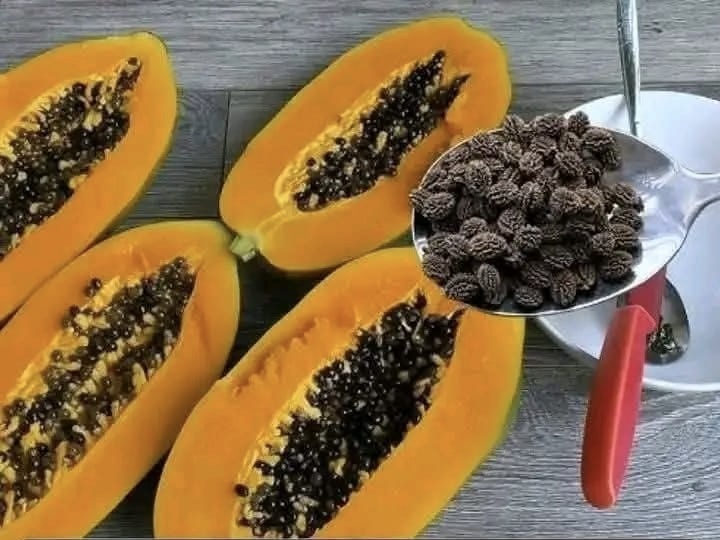
Cancer is a serious disease, and it is understandable that people look for natural foods that might help protect their health. Social media posts sometimes claim that a simple mixture made with papaya or papaya seeds can “eliminate all cancer cells” from the body. However, this claim is not supported by reliable clinical evidence.
Papaya is a nutritious fruit that can certainly be part of a balanced diet, but it should not be presented as a cure for cancer. The National Cancer Institute states that no special food, diet, vitamin, mineral, supplement, herb, or combination of these has been proven to cure cancer or prevent it from returning.
What Makes Papaya Interesting?
Papaya contains nutrients and naturally occurring plant compounds that researchers have studied for their potential health effects. The fruit provides vitamins, minerals, fiber, and other compounds that can contribute to a healthy eating pattern.
Researchers have also investigated different parts of the papaya plant, including its seeds, for possible biological effects. Some laboratory studies have reported interesting results, which may explain why papaya-based cancer claims circulate online.
However, laboratory research is very different from proving that a food can treat cancer in people. A substance may affect cancer cells in a laboratory experiment without being an effective or safe treatment inside the human body.
A review of research on papaya and cancer found that early evidence included laboratory studies, but there was not enough clinical evidence to establish papaya as a cancer treatment.
What About Papaya Seeds?
Papaya seeds are particularly common in online “natural cancer remedy” recipes. Some experimental research has investigated papaya seed extracts and their effects on cancer cells.
For example, a study published in BMC Complementary Medicine and Therapies examined papaya seed extract against colorectal cancer cell lines in laboratory conditions. The researchers observed effects on the tested cells, but this type of experiment does not demonstrate that eating papaya seeds or drinking a homemade papaya preparation can treat colorectal cancer in humans.
This distinction is extremely important. Laboratory findings can be useful for discovering possible future treatments, but they are only an early step in scientific research. Treatments need appropriate clinical studies to determine whether they actually work in people, what dose is appropriate, and whether they are safe.
Can a Recipe Replace Cancer Treatment?
No. A homemade recipe should never replace treatment recommended by a qualified healthcare professional.
Cancer is not one single disease. There are many types of cancer, and treatment depends on factors such as the type and stage of cancer and the individual’s circumstances. Depending on the situation, evidence-based treatment may involve surgery, radiation therapy, chemotherapy, targeted therapy, immunotherapy, hormone therapy, or other approaches.
The National Cancer Institute specifically warns that alternative cancer treatments can sometimes interfere with standard treatment. Some supplements and concentrated natural products can also affect how medicines work.
Papaya Can Still Be Part of a Healthy Diet
Rejecting an unsupported cancer cure claim does not mean papaya is unhealthy. Quite the opposite: fresh papaya can be a nutritious addition to a varied diet.
Instead of thinking of one food as a “cancer killer,” it is more useful to focus on an overall healthy eating pattern. A balanced diet can include a variety of fruits, vegetables, whole grains, legumes, nuts, seeds, and other nutrient-rich foods according to individual dietary needs.
Good nutrition is especially important for people who are receiving cancer treatment, although dietary needs can vary considerably. Anyone undergoing treatment should discuss major dietary changes, supplements, or concentrated herbal products with their healthcare team.
Why Viral Health Claims Can Be Misleading
Phrases such as “kills all cancer cells,” “cures cancer naturally,” or “doctors don’t want you to know” should immediately encourage careful checking.
Cancer cells are biologically complex, and cancer treatment requires evidence from carefully designed studies. A promising laboratory result does not automatically become a proven treatment.
The National Cancer Institute explains that herbal products have not been shown to be effective cancer treatments simply because they are marketed as natural remedies.
The Bottom Line
Papaya is a nutritious fruit, and compounds found in papaya and its seeds are being investigated scientifically. Some laboratory studies have produced interesting findings, but there is no reliable evidence that a papaya-based recipe can eliminate all cancer cells from the human body.
Anyone concerned about cancer should rely on qualified medical care rather than replacing proven treatment with a viral recipe. Natural foods can support general nutrition, but no single food should be described as a guaranteed cure.
The most responsible approach is simple: enjoy nutritious foods such as papaya as part of a balanced diet, remain cautious about dramatic health claims online, and seek professional medical advice when cancer is suspected or diagnosed.