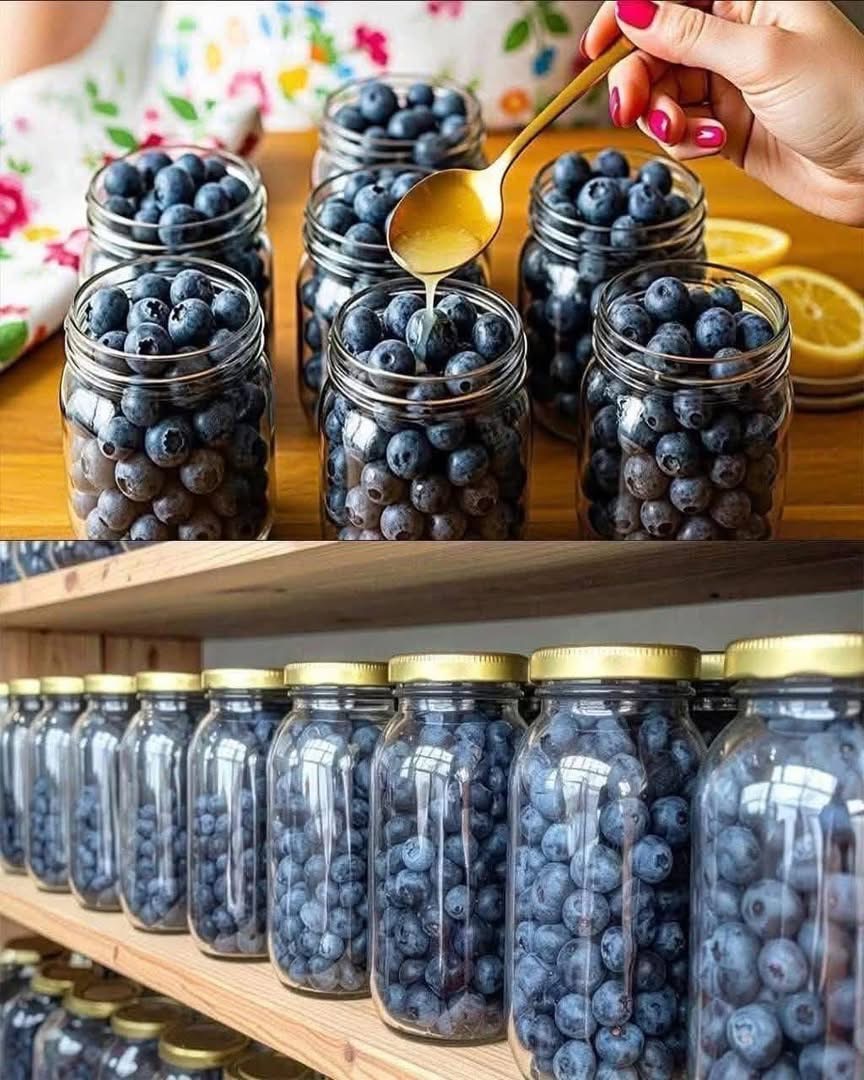
Blueberries are a delicious summer fruit known for their naturally sweet flavor, juicy texture, and versatility. Whether you grow them at home, buy them in bulk, or simply want to make the most of blueberry season, learning how to preserve blueberries can help reduce food waste and give you delicious fruit to enjoy later.
One popular idea is storing blueberries in glass jars. Jars can be useful for organizing fruit and creating convenient portions, but fresh blueberries should not simply be sealed in jars and left at room temperature. For safe long-term preservation, blueberries need to be refrigerated, frozen, or processed using a tested canning method.
Choosing the Best Blueberries for Preservation
The quality of your blueberries before storage makes a major difference. Choose berries that are plump, firm, and deeply colored. Avoid fruit that is leaking, crushed, overly soft, or showing visible mold.
Before preserving the berries, sort through them carefully. Remove damaged fruit and any leaves or stems that may still be mixed with the berries. This simple step helps protect the quality of the remaining fruit.
Fresh blueberries naturally have a light, powdery coating called bloom. This is normal and does not mean the fruit is spoiled.
Preparing Blueberries for Storage
If you plan to keep blueberries fresh in the refrigerator, it is usually better to avoid washing them until you are ready to eat them. Water left on the berries can encourage moisture buildup and mold.
For freezing, gently rinse the berries and allow them to dry completely. Excess water can form ice crystals and may affect the texture of the fruit.
A clean kitchen towel or paper towel can help remove remaining moisture. The berries should be as dry as possible before freezing or placing them into a storage container.
How to Store Fresh Blueberries in Glass Jars
Glass jars can be convenient for refrigerator storage. Choose clean, dry jars and avoid overcrowding the berries. Gently place the blueberries inside rather than pressing them down.
For best results, keep the berries refrigerated and check them regularly. If condensation appears inside the jar, moisture management becomes important because excess moisture can accelerate spoilage.
It is important to remember that a sealed glass jar does not make fresh blueberries shelf-stable. Fresh fruit stored this way remains perishable and should be kept cold.
Freezing Blueberries in Containers or Jars
Freezing is one of the easiest methods for preserving blueberries for several months. Begin by sorting, washing, and thoroughly drying the berries.
Spread the blueberries across a baking sheet in a single layer. Freeze them until firm. This method helps prevent the berries from freezing together into one large clump.
Once frozen, transfer the berries into freezer-safe containers or bags. If using glass, make sure the container is specifically suitable for freezer storage and leave appropriate space for expansion.
Label the container with the freezing date. Frozen blueberries can be added directly to smoothies, oatmeal, pancakes, muffins, and many cooked recipes.
Blueberry and Honey Combinations
The image of blueberries with honey also suggests a delicious serving idea. Honey pairs naturally with the sweet-tart flavor of blueberries and can be used to create simple breakfast and dessert combinations.
Try serving fresh blueberries with a small drizzle of honey over plain yogurt or oatmeal. You can also combine blueberries, honey, and a little lemon zest for a flavorful topping.
However, mixing fresh blueberries with honey does not turn the mixture into a shelf-stable preserve. Homemade blueberry and honey mixtures should be treated as perishable foods and stored appropriately in the refrigerator.
Proper Canning for Long-Term Storage
If your goal is to keep blueberries in sealed jars at room temperature, proper home canning is necessary. Canning requires more than filling jars and placing lids on them.
Safe preservation depends on factors such as acidity, processing time, temperature, jar size, and the specific recipe being used. For this reason, it is best to follow a tested canning recipe from a reliable food-preservation source rather than improvising.
Properly processed blueberry preserves, sauces, or other tested preparations can provide a convenient way to enjoy blueberries beyond their fresh season.
How to Prevent Blueberries From Spoiling
Moisture, warmth, and damaged fruit can all contribute to faster spoilage. Keep fresh blueberries refrigerated and handle them gently.
Inspect the berries regularly. If you notice a berry becoming moldy or significantly spoiled, remove it promptly and check the surrounding fruit.
Avoid storing blueberries under heavy foods that could crush them. A shallow container can help prevent pressure and bruising.
Keeping blueberries dry until they are ready to be used is another simple way to support better freshness.
Delicious Ways to Use Preserved Blueberries
Once you have frozen or properly preserved blueberries, there are countless ways to use them. Add frozen berries to smoothies, blend them into breakfast bowls, or stir them into oatmeal.
Blueberries are also excellent in muffins, pancakes, waffles, quick breads, and homemade desserts. You can simmer them into a simple fruit sauce and serve it over yogurt, pancakes, cheesecake, or ice cream.
For a quick snack, combine blueberries with yogurt, nuts, seeds, or another favorite fruit.
Final Thoughts
Preserving blueberries is an easy way to enjoy this flavorful fruit for longer while reducing food waste. Glass jars can be useful for refrigerator storage and organization, while freezing provides a simple option for long-term storage.
If you want shelf-stable blueberries, use a tested canning method rather than simply sealing fresh fruit in jars. Fresh blueberries remain perishable even when stored in airtight containers.
With proper preparation, refrigeration, freezing, and safe preservation techniques, blueberries can become a convenient ingredient for breakfasts, smoothies, desserts, baked goods, and snacks throughout the year.