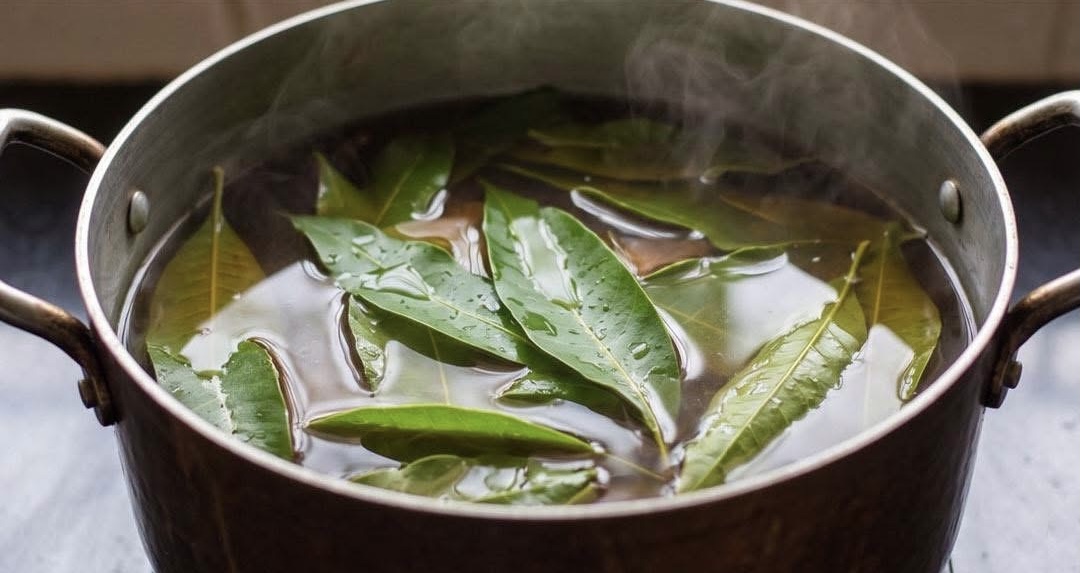
Mango leaves have been used in traditional wellness practices for generations. While most people enjoy the sweet fruit, the leaves of the mango tree are also valued in many cultures for preparing herbal tea. Rich in plant compounds and antioxidants, mango leaf tea has gained attention as a natural beverage that may support overall health when included as part of a balanced lifestyle.
Although research on mango leaves is still developing, early studies suggest they contain beneficial phytochemicals that contribute to their antioxidant and anti-inflammatory properties. This article explores the potential benefits of mango leaf tea, how to prepare it, and important precautions before adding it to your routine.
What Are Mango Leaves?
Mango leaves come from the mango tree (Mangifera indica). Young leaves are often reddish or purple before turning bright green as they mature. These leaves contain naturally occurring compounds such as:
- Mangiferin
- Polyphenols
- Flavonoids
- Phenolic acids
- Vitamins and trace minerals
Mangiferin is one of the most studied compounds in mango leaves and is believed to contribute to many of their potential health-supporting properties.
Potential Health Benefits of Mango Leaf Tea
Rich in Antioxidants
Mango leaves are naturally rich in antioxidants that help protect cells from oxidative stress caused by free radicals. Antioxidants play an important role in supporting overall health and may contribute to healthy aging.
Drinking antioxidant-rich herbal teas can complement a diet that includes fruits, vegetables, whole grains, and other nutrient-dense foods.
May Support Healthy Blood Sugar Levels
Some laboratory and animal studies suggest that compounds in mango leaves, particularly mangiferin, may help support normal glucose metabolism. However, human research remains limited, and mango leaf tea should never replace prescribed diabetes treatment.
People with diabetes should consult a healthcare professional before using herbal remedies regularly.
Supports Heart Health
The antioxidants found in mango leaves may help support cardiovascular wellness by reducing oxidative stress and promoting healthy blood vessel function. Some preliminary studies also suggest they may contribute to maintaining normal cholesterol and blood pressure levels when combined with a healthy lifestyle.
More clinical research is needed to confirm these effects in humans.
May Help Reduce Inflammation
Plant compounds in mango leaves have demonstrated anti-inflammatory activity in experimental studies. Reducing chronic inflammation is associated with better long-term health, although herbal tea alone is not a treatment for inflammatory diseases.
Supports Immune Function
Because mango leaves contain antioxidant compounds, they may help support the body’s natural defense system. A healthy immune system depends on multiple factors, including proper nutrition, exercise, sleep, and stress management.
May Aid Digestion
Many people traditionally drink mango leaf tea after meals. It is believed to promote digestive comfort and may help soothe occasional stomach discomfort, although scientific evidence supporting this traditional use is still limited.
How to Make Mango Leaf Tea
Preparing mango leaf tea is simple.
Ingredients
- 8–10 fresh mango leaves or 1 tablespoon dried mango leaves
- 2–3 cups of water
Instructions
- Wash fresh leaves thoroughly.
- Bring the water to a boil.
- Add the mango leaves.
- Simmer for 10–15 minutes.
- Remove from heat and allow the tea to steep for another 5 minutes.
- Strain before serving.
The tea can be enjoyed warm or chilled. Some people add lemon or a small amount of honey for flavor.
Nutritional Compounds Found in Mango Leaves
Although mango leaf tea is not a significant source of calories or macronutrients, it contains several naturally occurring plant compounds, including:
- Mangiferin
- Catechins
- Quercetin
- Gallic acid
- Flavonoids
- Polyphenols
These compounds are responsible for much of the tea’s antioxidant activity.
Are There Any Side Effects?
Mango leaf tea is generally considered safe when consumed in moderation as a beverage.
However, keep these precautions in mind:
- Individuals with allergies to mango or related plants should avoid it.
- Pregnant or breastfeeding women should consult a healthcare provider before regular use.
- People taking medications for blood sugar or blood pressure should seek medical advice, as herbal products may interact with certain medications.
- Avoid consuming excessive amounts, as long-term safety has not been fully established.
Tips for the Best Mango Leaf Tea
For the best flavor and quality:
- Choose fresh, healthy green leaves.
- Wash leaves thoroughly before use.
- Store dried leaves in an airtight container away from sunlight.
- Drink the tea as part of a balanced diet rather than relying on it as a cure for medical conditions.
Frequently Asked Questions
Can I drink mango leaf tea every day?
Most healthy adults can enjoy it occasionally or in moderation. If you have a medical condition or take prescription medications, consult your healthcare provider before making it a daily habit.
Does mango leaf tea cure diabetes?
No. There is currently no scientific evidence that mango leaf tea cures diabetes. It should never replace medical treatment or prescribed medications.
Can dried mango leaves be used?
Yes. Properly dried mango leaves can be used to prepare tea and are often more convenient for regular use.
What does mango leaf tea taste like?
It has a mild, earthy, slightly herbal flavor with subtle woody notes. Adding lemon or honey can improve its taste if desired.
Final Thoughts
Mango leaf tea is a traditional herbal beverage rich in antioxidants and beneficial plant compounds such as mangiferin. Early research suggests it may support overall wellness, including heart health, healthy blood sugar metabolism, and antioxidant protection. However, current evidence is not strong enough to support claims that it can prevent or cure diseases.
Enjoyed in moderation alongside a healthy diet and lifestyle, mango leaf tea can be a refreshing herbal drink with promising nutritional properties. More human studies are needed to fully understand its long-term health effects and potential therapeutic benefits.