Maintaining healthy vision is important at every stage of life. Social media often promotes mixtures made from fruits, garlic, citrus, and other natural ingredients with claims that they can cure blindness, reverse myopia, or eliminate blurry vision. While many of these ingredients contain valuable nutrients, it is important to understand what they can and cannot do for eye health.
A balanced diet rich in vitamins, minerals, and antioxidants supports the eyes and may help reduce the risk of certain age-related eye conditions. However, no single homemade mixture can cure blindness or permanently reverse common vision problems such as nearsightedness.
Why Nutrition Matters for Eye Health
The eyes require a steady supply of nutrients to function properly. Just like the heart, brain, and muscles, the eyes depend on vitamins and antioxidants to protect delicate tissues from damage caused by aging and environmental factors.
Several nutrients have been linked to healthy vision, including:
- Vitamin A
- Vitamin C
- Vitamin E
- Zinc
- Lutein
- Zeaxanthin
- Omega-3 fatty acids
A diet that includes fruits, vegetables, nuts, seeds, and healthy fats can contribute to long-term eye wellness.
The Benefits of Passion Fruit
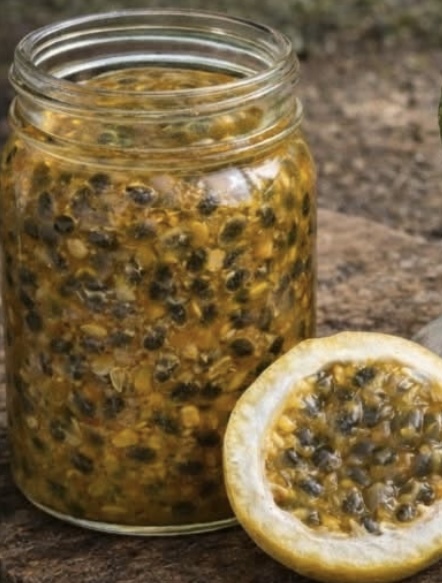
Passion fruit is a colorful tropical fruit rich in antioxidants and vitamins. It contains vitamin C, which helps protect cells from oxidative stress. The fruit also provides fiber and plant compounds that support overall health.
Some people include passion fruit in homemade wellness recipes because of its nutrient content. While passion fruit can be part of a healthy diet, there is no scientific evidence that it can cure blindness or reverse myopia.
Lime and Its Nutritional Value
Lime is another ingredient commonly found in natural health mixtures. It contains vitamin C and several beneficial plant compounds.
Vitamin C contributes to the maintenance of healthy tissues throughout the body, including those found in the eyes. Regular consumption of vitamin C-rich foods may support overall eye health as part of a balanced diet.
However, lime alone cannot correct refractive errors such as nearsightedness or farsightedness.
Garlic and Eye Health
Garlic has been used in traditional diets for centuries. It contains sulfur compounds and antioxidants that may support cardiovascular health.
Healthy blood circulation is important because the eyes rely on a constant supply of oxygen and nutrients. Some researchers believe that antioxidant-rich foods may contribute to maintaining healthy eye tissues over time.
Despite its potential health benefits, garlic is not a treatment for blindness, cataracts, glaucoma, or myopia.
Common Causes of Blurry Vision
Blurry vision can occur for many reasons, including:
- Refractive errors
- Dry eyes
- Eye strain
- Cataracts
- Diabetes-related eye conditions
- Age-related vision changes
Because blurry vision can signal an underlying medical issue, persistent symptoms should always be evaluated by an eye care professional.
Can Food Reverse Myopia?
Myopia, also known as nearsightedness, occurs when the shape of the eye causes light to focus incorrectly on the retina.
Currently, no food, supplement, or homemade mixture has been proven to reverse myopia. Glasses, contact lenses, and specialized treatments prescribed by eye specialists remain the most effective ways to manage this condition.
Good nutrition can support eye health, but it cannot change the physical structure of the eye responsible for myopia.
Foods That Support Healthy Vision
Instead of relying on miracle remedies, focus on a nutrient-rich diet that includes:
Leafy Green Vegetables
Spinach, kale, and collard greens contain lutein and zeaxanthin, antioxidants that accumulate in the retina.
Carrots
Carrots provide beta-carotene, which the body converts into vitamin A. This nutrient is essential for normal vision.
Fatty Fish
Salmon, sardines, and mackerel contain omega-3 fatty acids that support eye function and may help with dry eyes.
Citrus Fruits
Oranges, lemons, and limes provide vitamin C, an important antioxidant for overall eye health.
Nuts and Seeds
Almonds, sunflower seeds, and walnuts contain vitamin E and healthy fats that contribute to cellular protection.
Reducing Eye Fatigue Naturally
Many people experience eye fatigue due to prolonged screen use. Healthy habits can help reduce discomfort:
- Follow the 20-20-20 rule
- Take regular screen breaks
- Stay hydrated
- Ensure proper lighting
- Get enough sleep
- Wear prescribed glasses if needed
These simple practices often provide more noticeable relief than unproven home remedies.
The Importance of Regular Eye Exams
Routine eye examinations are one of the best ways to protect vision. Eye doctors can detect problems early, often before noticeable symptoms appear.
Conditions such as glaucoma, cataracts, diabetic retinopathy, and macular degeneration can progress gradually. Early diagnosis improves the chances of successful management.
Adults should schedule regular eye checkups according to the recommendations of their healthcare provider.
Final Thoughts
Natural ingredients such as passion fruit, lime, and garlic contain valuable nutrients and antioxidants that can support overall wellness. When included in a balanced diet, they may contribute to maintaining healthy eyes and protecting vision over time.
However, claims that a single mixture can cure blindness, reverse myopia, or completely eliminate blurry vision are not supported by scientific evidence. The most effective approach to eye health combines proper nutrition, healthy lifestyle habits, regular eye examinations, and professional medical care when needed.
By focusing on evidence-based strategies, individuals can take meaningful steps toward preserving their vision and supporting long-term eye health.