Orchids are one of the most elegant plants you can bring into your home. Their delicate blooms, smooth leaves, and refined structure make them a favorite in modern interiors and even in luxury real estate staging.
A healthy orchid instantly adds a sense of calm, beauty, and sophistication to any space.
But when an orchid stops blooming, the difference is noticeable.
The leaves may still look green, but the flowers disappear. Growth slows down. The plant begins to feel static instead of vibrant. What once felt like a premium decorative centerpiece starts to lose its impact.
That’s when many homeowners begin looking for a simple way to bring their orchid back to life.
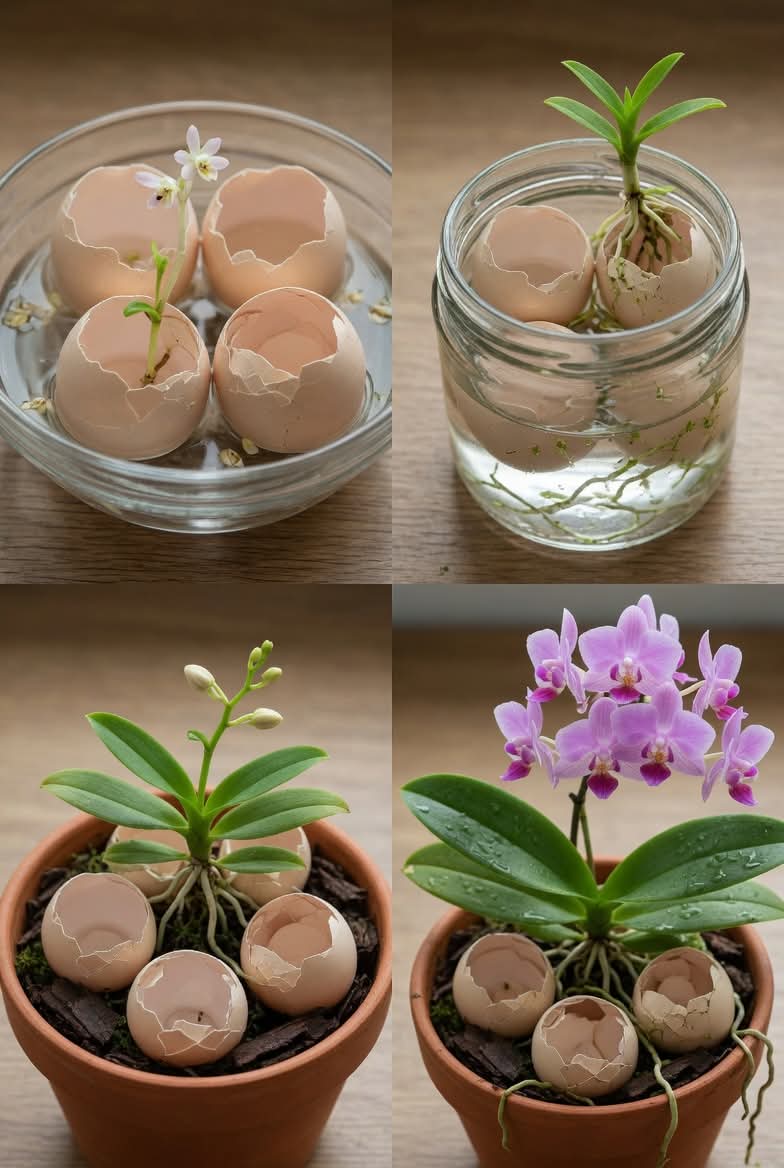
Recently, a natural method has been gaining attention — using crushed eggshells as part of a home care routine. In many videos, this simple trick appears to trigger stronger growth and even encourage blooming.
But experienced orchid owners understand something important.
It’s not magic.
And the real reason orchids bloom again goes much deeper.
Why Orchids Stop Blooming Indoors
Orchids are sensitive plants. Even small changes in their environment can affect their ability to produce flowers.
Common signs of a struggling orchid include:
- No blooms for long periods
- Slow or weak growth
- Soft or wrinkled roots
- Fading leaves
- Old or compacted potting media
- A generally tired appearance
In most homes, the issue is not just one mistake. It is usually a combination of poor root conditions, improper watering, low light, or aging potting mix.
Why People Are Using Crushed Eggshells on Orchids
The eggshell method has become popular because it feels natural, simple, and accessible.
Homeowners are drawn to it because they want:
- A natural way to support plant health
- A simple, low-cost solution
- Better blooming results
- A cleaner and more sustainable gardening method
In many cases, crushed eggshells are added around the plant or mixed into the growing medium.
But the shells themselves are not the full solution.
What the Eggshell Method Is Really About
The idea behind using eggshells is not to instantly force blooms.
It is meant to support the plant while better care conditions are being restored.
Some believe it may help:
- Support mineral balance over time
- Improve the structure of the potting environment
- Encourage healthier root conditions
- Assist overall plant recovery
But none of this works without one essential factor.
Healthy roots.
What Smart Orchid Owners Check First
Before adding anything, experienced orchid owners always check the basics.
They look at:
- Root condition (firm or rotting)
- Potting media quality (fresh or broken down)
- Drainage and airflow
- Watering habits
- Light exposure
Because if these are not right, no natural addition will fix the plant.
When This Method May Actually Help
Using crushed eggshells may be useful when:
- The orchid still has healthy roots
- The plant is stable but not blooming
- The potting media is still usable or recently refreshed
- Light and watering conditions are improving
- The orchid is in a recovery or growth phase
In this case, it becomes a small supportive element, not a miracle fix.
When It Will NOT Work
This method will not solve deeper problems.
It usually fails when:
- Roots are rotting or damaged
- The potting mix is old and compacted
- The plant is overwatered
- The orchid is kept in poor light
- Airflow around the roots is limited
In these cases, the real issue is below the surface.
How to Use Eggshells Safely
If you choose to try this method, keep it gentle and controlled.
A safe approach includes:
- Crushing shells into small, fine pieces
- Using only a small amount
- Placing them around the potting media, not packed tightly
- Avoiding buildup near the crown
- Keeping watering balanced
- Ensuring proper light and airflow
Too much can create more stress than benefit.
Common Mistakes That Prevent Orchids from Blooming
When trying to encourage blooms, many people make avoidable mistakes.
Avoid these:
- Adding too many materials to the pot
- Ignoring root health
- Keeping old potting media
- Overwatering
- Providing insufficient light
- Expecting instant flowering
Orchid blooming takes patience and consistency.
Root Health Is the Real Secret
This is the most important truth.
Orchids bloom when their roots are strong and their environment is balanced.
A proper setup includes:
- Airy orchid bark or suitable mix
- A pot with strong drainage and airflow
- Bright indirect light
- Careful watering based on dryness
- Occasional repotting
When the roots are healthy, blooming becomes much more likely.
Step-by-Step Orchid Bloom Recovery Plan
If your orchid has stopped blooming, focus on this:
- Check the roots carefully
- Remove any damaged or dead roots
- Repot into fresh orchid media if needed
- Improve light exposure
- Adjust watering habits
- Use natural support methods only when appropriate
This approach gives your orchid the best chance to bloom again.
Quick Fix Table for Blooming Orchids
| Problem | Better Fix |
|---|---|
| No blooms | Improve light and root health |
| Weak growth | Refresh potting media |
| Soft roots | Adjust watering immediately |
| Poor drainage | Repot into airy mix |
| Dull appearance | Improve full care routine |
| Slow recovery | Stabilize environment |
Why Blooming Orchids Increase Home Value
A blooming orchid does more than just look beautiful — it transforms a space.
In modern interiors and real estate presentation, orchids are often used to create a refined, elegant, and high-end atmosphere.
A healthy blooming orchid can:
- Enhance the visual appeal of a room
- Add softness and luxury to interior design
- Increase the perceived value of a home
- Create a more polished and intentional space
This is why they are commonly seen in luxury property staging and upscale home decor setups.