Joint pain is a common complaint that can affect people of all ages. It may be related to physical activity, injuries, inflammation, arthritis, or other health conditions. Because discomfort can interfere with walking, sleeping, and everyday activities, it is understandable that people look for simple natural remedies.
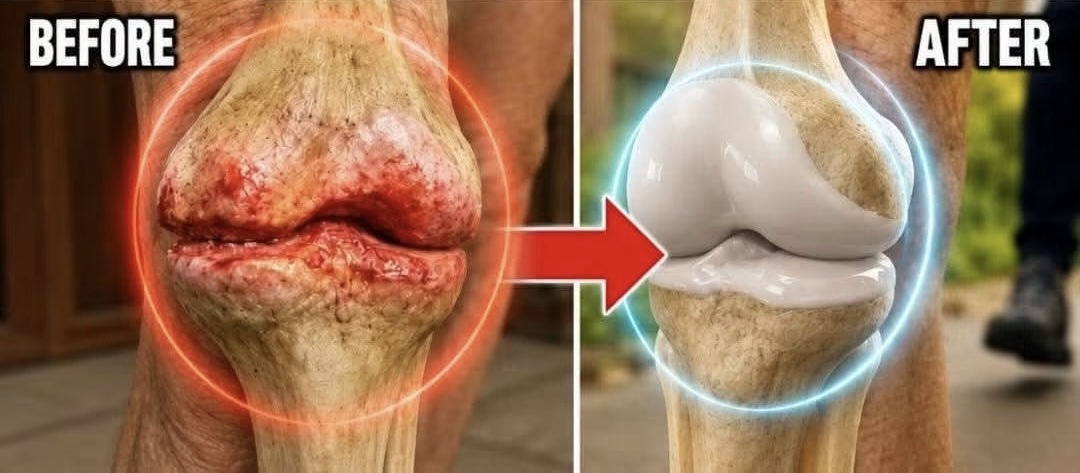
One popular social media claim suggests that a particular tea can eliminate joint pain in just 48 hours and restore mobility. Although herbal teas can be enjoyable and some contain compounds that are being studied for their potential health effects, there is no single tea proven to eliminate joint pain within 48 hours.
Instead of relying on dramatic before-and-after claims, it is helpful to understand what can actually support healthy joints and when pain may require professional attention.
Why Do Joints Hurt?
Joint pain can have many different causes. Temporary soreness may occur after unusual physical activity, while persistent pain can be associated with conditions such as arthritis or previous injuries.
Osteoarthritis, for example, involves changes in the tissues of a joint and commonly affects areas such as the knees, hips, and hands. Other forms of arthritis can involve inflammation and may require specific medical treatment.
Because the causes are different, there cannot be one drink or ingredient that works for everyone.
Can Tea Help With Joint Discomfort?
Tea can be part of a healthy lifestyle, especially when it replaces sugary beverages and contributes to fluid intake. Certain teas also contain plant compounds with antioxidant properties.
Green tea, ginger tea, turmeric-based drinks, and other herbal preparations are sometimes discussed in relation to inflammation and joint health. Research into individual compounds is ongoing, but evidence from laboratory or small human studies does not mean that drinking a particular tea will rapidly reverse joint problems.
A warm drink may also feel soothing and relaxing, which can make it a pleasant addition to a daily routine. However, comfort is different from treating the underlying cause of joint pain.
Ginger and Joint Health
Ginger contains naturally occurring compounds that have been studied for their potential effects on inflammation and pain. Some research suggests that ginger preparations may have modest benefits for certain types of discomfort.
That does not mean ginger tea is a cure for arthritis or that it can eliminate joint pain in two days. The amount of active compounds obtained from a cup of tea can also vary depending on how it is prepared.
If you enjoy ginger tea, it can be included as part of a balanced diet, but it should not replace treatment recommended by a healthcare professional.
What About Turmeric Tea?
Turmeric is another ingredient frequently promoted for joint health. Curcumin, one of turmeric’s major compounds, has been investigated for its potential anti-inflammatory properties.
Some studies of concentrated curcumin preparations have reported possible improvements in certain symptoms, but supplements and foods are not necessarily equivalent. Research does not support promising that a homemade turmeric tea will completely eliminate joint pain within 48 hours.
It is also important to remember that natural products can interact with medications or cause side effects. Anyone considering concentrated supplements should discuss them with a qualified healthcare professional.
Simple Habits That Support Joint Health
Healthy joints benefit from more than a single beverage. Regular, appropriate physical activity can help maintain mobility and strengthen the muscles surrounding joints.
Low-impact activities such as walking, swimming, cycling, or gentle stretching may be suitable for many people, although the best activity depends on individual circumstances.
Maintaining a balanced diet is also important. Vegetables, fruits, whole grains, legumes, nuts, seeds, and nutritious protein sources provide a wide range of nutrients needed for overall health.
Adequate sleep and regular hydration are also important components of a healthy lifestyle.
Be Careful With “48-Hour Cure” Claims
Health claims promising dramatic results in a very short period should always be approached cautiously. Joint problems often develop for different reasons, and even evidence-based treatments may take time to produce noticeable improvements.
A photograph showing a painful-looking joint next to a supposedly healthy joint does not prove that a drink caused the change. Images used in viral posts may be illustrations, edited graphics, or unrelated examples.
Similarly, an individual story about someone feeling better after drinking a particular tea cannot establish that the same remedy will work for everyone.
When Should Joint Pain Be Evaluated?
Mild soreness after physical activity may improve with appropriate rest and recovery. Persistent or unexplained joint pain, however, deserves attention.
Consider speaking with a healthcare professional if pain continues, repeatedly returns, limits normal activities, or is associated with swelling, significant stiffness, fever, weakness, or other concerning symptoms.
Sudden severe pain following an injury should also be assessed promptly, particularly if normal movement or weight-bearing becomes difficult.
Getting the correct diagnosis matters because treatment depends on the cause. Managing an injury, osteoarthritis, inflammatory arthritis, or another condition may require completely different approaches.
Can Tea Be Part of a Healthy Routine?
Absolutely. Unsweetened tea can be a pleasant beverage and can fit into a nutritious lifestyle. Choosing a tea you enjoy may also make it easier to maintain healthy hydration habits.
The key is to think of tea as one part of your overall routine rather than a miracle cure. A balanced diet, regular movement, adequate rest, and appropriate medical care are much more important for long-term joint health.
The Bottom Line
Herbal teas such as ginger or turmeric tea may contain interesting plant compounds and can be enjoyed as part of a balanced diet. However, there is no reliable evidence that a specific tea can completely eliminate joint pain in 48 hours.
If you experience joint discomfort, focus on identifying the possible cause rather than relying on a viral “miracle remedy.” Healthy lifestyle habits can support overall well-being, while persistent or severe symptoms should be discussed with a healthcare professional.
A warm cup of tea can be comforting, but healthy joints require a broader approach than a single recipe or drink.