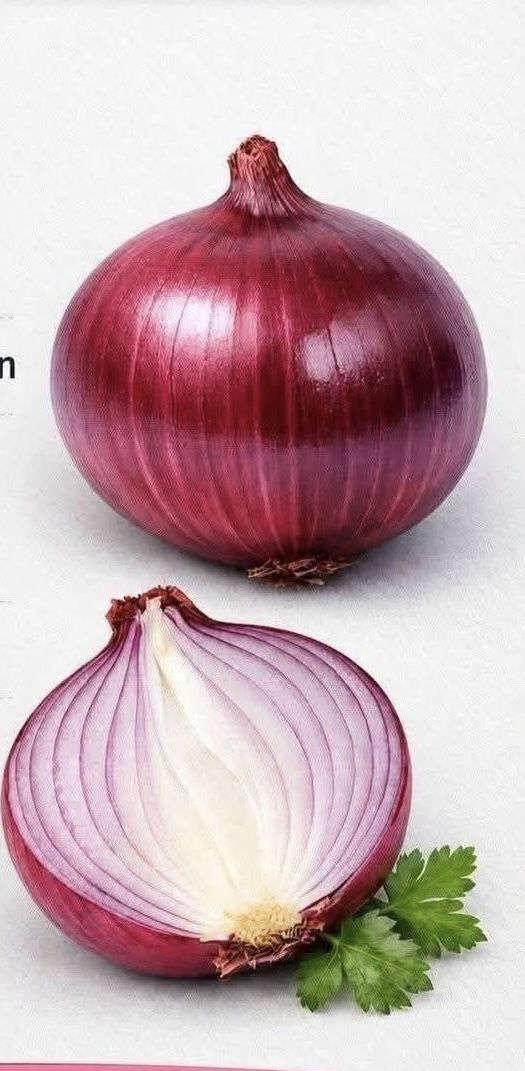
Red onions are more than a colorful addition to salads, sandwiches, soups, and cooked meals. They are a nutrient-rich vegetable containing antioxidants and plant compounds that can contribute to a healthy diet. Their distinctive purple-red color comes largely from natural compounds called anthocyanins, while onions also contain sulfur-containing compounds and other beneficial plant chemicals.
Many online posts claim that red onions can improve circulation, regulate blood pressure and blood sugar, fight infections, relieve colds, and protect the heart. Some of these claims are based on research into onions and their plant compounds, but they should not be interpreted as meaning that eating red onions can prevent or cure diseases.
Here is what you should know about the potential health benefits of red onions and how to include them in a balanced diet.
1. Red Onions Are Rich in Antioxidants
One of the most interesting features of red onions is their antioxidant content. Antioxidants help protect cells from oxidative stress caused by unstable molecules known as free radicals.
Red onions contain flavonoids, including quercetin, as well as anthocyanins that contribute to their characteristic color. Including a variety of colorful vegetables in your diet is a simple way to increase your intake of different plant compounds.
Eating red onions regularly as part of a varied diet may therefore contribute to overall nutritional quality.
2. They May Support Heart Health
A healthy diet is an important part of maintaining cardiovascular health. Red onions contain plant compounds that have been studied for their potential effects on cardiovascular risk factors.
Quercetin and other onion compounds have attracted scientific interest because of their possible relationship with blood vessel function, inflammation, and blood pressure. However, eating onions should be viewed as one small part of a heart-friendly lifestyle rather than a treatment for high blood pressure or heart disease.
A balanced diet, regular physical activity, sufficient sleep, and appropriate medical care remain much more important for long-term heart health.
3. Red Onions Can Be Part of a Blood-Sugar-Friendly Diet
Red onions contain carbohydrates, but they can still fit comfortably into a balanced eating pattern. They also provide fiber and beneficial plant compounds.
Some research has investigated onions and their components in relation to blood glucose regulation. However, this does not mean that eating red onions alone can control diabetes or replace prescribed treatment.
If you are concerned about blood sugar, focus on your overall dietary pattern, including vegetables, whole grains, protein-rich foods, fruits, and other nutrient-dense choices.
4. They Provide Useful Nutrients
Although onions are not usually eaten in large quantities, they can contribute several nutrients to the diet. They contain vitamin C and provide small amounts of other vitamins and minerals.
They also contain fiber, which is important for digestive health. Adding onions to meals can be an easy way to increase the variety of plant foods you eat without significantly changing your usual recipes.
Red onions can be enjoyed raw or cooked, although cooking methods can affect the levels of some heat-sensitive nutrients and plant compounds.
5. They May Support Digestive Health
Onions contain prebiotic compounds that can serve as food for beneficial bacteria in the gut. A healthy gut microbiome is associated with many aspects of overall health.
However, onions can also cause digestive discomfort in some people. Individuals who are sensitive to certain fermentable carbohydrates may experience bloating, gas, or abdominal discomfort after eating onions.
If onions regularly cause digestive symptoms, reducing the portion size or choosing a preparation method that you tolerate better may help.
6. What About Colds, Coughs, and Infections?
Traditional remedies sometimes use onions for coughs and cold symptoms. Red onions contain compounds with antioxidant and antimicrobial properties in laboratory research, but this does not establish that eating onions can cure an infection.
A cold is usually caused by a virus, and antibiotics do not treat viral infections. Red onions can certainly be included in nutritious meals while you recover, but they should not replace appropriate medical advice or treatment.
If symptoms are severe, persistent, or concerning, consult a healthcare professional.
Raw or Cooked: Which Is Better?
Both raw and cooked red onions can be nutritious. Raw onions provide a crisp texture and strong flavor, making them excellent for salads, sandwiches, wraps, and fresh salsas.
Cooking onions can make them sweeter and easier to incorporate into soups, stews, sauces, omelets, and roasted vegetable dishes. Because different cooking methods affect nutrients differently, there is no need to choose only one preparation.
Eating onions in different forms can simply make a healthy diet more enjoyable and varied.
Easy Ways to Add More Red Onions to Your Diet
Adding red onions to everyday meals is simple. Try thinly sliced red onion in a salad with tomatoes and leafy greens, add diced onion to homemade salsa, or mix it into sandwiches and wraps.
You can also roast red onions alongside other vegetables, add them to soups, or sauté them with peppers and mushrooms. Pickled red onions are another popular option, although recipes can vary considerably in their added sugar and sodium content.
The goal is not to consume a specific amount of red onion for a supposed health effect. Instead, use it as one flavorful component of a varied diet.
The Bottom Line
Red onions are a nutritious vegetable that provides antioxidants, fiber, vitamin C, and a variety of beneficial plant compounds. Their potential relationship with heart health, blood sugar regulation, digestion, and antioxidant protection makes them an interesting addition to a healthy eating pattern.
However, claims that red onions can cure infections, eliminate illness, or directly treat high blood pressure or diabetes are too strong. No single food can replace a balanced diet or appropriate medical treatment.
For the greatest benefit, enjoy red onions alongside plenty of other vegetables, fruits, whole grains, legumes, and nutritious protein sources. Small dietary choices made consistently can contribute to a healthier overall lifestyle.