Warts are common skin growths caused by certain types of human papillomavirus (HPV). They can appear on the hands, fingers, feet, face, or other areas of the body and may sometimes become bothersome because of their appearance or location.
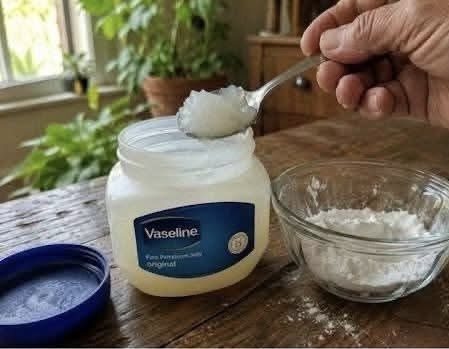
Social media often promotes simple home remedies for getting rid of warts, including mixtures made with petroleum jelly, baking soda, or other household ingredients. Some posts even claim that warts will “fall off” after applying a particular mixture. However, these claims should be approached with caution because there is no reliable evidence that a combination of petroleum jelly and baking soda can safely remove warts.
What Causes Warts?
Warts develop when certain HPV types infect the outer layer of the skin. The virus can enter through tiny breaks or scratches in the skin and may spread through direct contact or by touching contaminated surfaces.
Different types of warts can look different. Common warts often have a rough surface and may occur around the fingers or hands. Plantar warts develop on the soles of the feet and can sometimes be uncomfortable when walking. Other varieties may appear as smoother growths on different parts of the body.
Although warts are generally harmless, they can sometimes resemble other skin conditions. That is one reason it is important to be cautious before attempting to remove an unexplained skin growth at home.
Does Vaseline Remove Warts?
Vaseline, or petroleum jelly, is primarily used as a skin protectant and moisturizer. It can help reduce dryness and protect irritated skin, but it is not an established wart-removal treatment.
Applying petroleum jelly to a wart may make the surrounding skin feel less dry, but it does not eliminate the HPV infection responsible for the wart.
The same applies to claims that petroleum jelly can make a wart disappear overnight. A dramatic before-and-after image on social media does not necessarily demonstrate that the remedy caused the result.
What About Baking Soda?
Baking soda is another common ingredient in online home remedies. Because it is alkaline and mildly abrasive, applying it directly to the skin can potentially cause irritation, especially when mixed with other substances or covered for long periods.
There is no good evidence that baking soda safely destroys warts. Trying to burn, scrape, cut, or aggressively irritate a wart can damage healthy surrounding skin and increase the risk of infection or scarring.
For this reason, household ingredients should not be treated as proven medical treatments simply because they are inexpensive or commonly found in the kitchen.
How Are Warts Commonly Treated?
Many warts eventually disappear on their own because the immune system can fight the virus. However, some may remain for a long time or return after treatment.
When treatment is appropriate, healthcare professionals may recommend options such as salicylic acid products or other procedures depending on the type, location, and size of the wart. Some warts may be treated by a healthcare professional using methods such as freezing.
Treatment can take time, and repeated applications may sometimes be necessary. Following the instructions for an approved wart treatment is important because these products can irritate healthy skin if used incorrectly.
When Should You See a Healthcare Professional?
Not every bump on the skin is a wart. A healthcare professional should evaluate a growth if you are unsure what it is, particularly if it changes in appearance, bleeds, becomes painful, grows rapidly, or does not respond to appropriate treatment.
Extra caution is also appropriate when a growth is located on the face, around the eyes, or in another sensitive area. Attempting to remove a growth yourself in these locations can cause unnecessary skin damage.
People with certain medical conditions affecting circulation, sensation, or immune function should also seek professional advice before attempting wart treatments.
Avoid Dangerous DIY Wart Removal
One of the biggest problems with viral “wart-removal” recipes is that they can encourage people to experiment with substances that irritate or damage the skin. Strong acids, caustic chemicals, sharp objects, and excessive rubbing can cause burns, wounds, infection, or permanent marks.
A remedy does not become safe simply because it uses natural or household ingredients.
If you decide to treat a confirmed wart, choose an evidence-based treatment and follow its directions carefully. Protect the surrounding healthy skin and stop using a product if severe irritation occurs.
Can Warts Be Prevented?
Good hygiene can reduce the chance of spreading warts. Avoid picking or scratching existing warts, wash your hands regularly, and avoid sharing personal items such as towels or nail tools. Keeping cuts and scratches covered can also help protect the skin.
If you have a wart, avoid biting your nails or picking at the area because this may help spread the virus to nearby skin.
The Bottom Line
The viral claim that a simple mixture of Vaseline and baking soda will make warts “fall off like leaves” is not supported by reliable medical evidence. Petroleum jelly can protect and moisturize the skin, while baking soda is not a proven wart treatment.
Warts are usually harmless and may disappear naturally, but persistent or uncertain skin growths should be evaluated by a healthcare professional. When treatment is desired, evidence-based options are a safer choice than unverified DIY recipes.
Remember: a simple home remedy may look convincing in a social media post, but healthy skin is worth more than a risky experiment.